
Windows 10 · Windows
Install or update a Wi-Fi driver in Windows
Source-checked About 10 minutes
Answer
Prefer Windows Update, identify the exact adapter in Device Manager, and use only the PC or adapter manufacturer's matching driver package.
Check the starting state
Before changing a Windows Wi-Fi driver, identify the adapter hardware ID, PC model, Windows architecture, current driver, and a fallback connection or saved installer before changing it. Keep the current state, exact message, and any recent change available so each result can be compared.
Choose the supported path
Prefer Windows Update, then the PC or adapter manufacturer's exact package; avoid generic driver-download sites and do not remove the only working package first.
Check Windows Update
Install available Windows and optional driver updates first.
Identify the adapter
Open Device Manager > Network adapters and note the exact Wi-Fi adapter model.
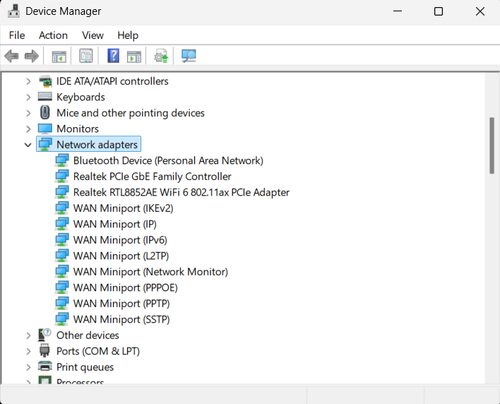
Download the matching driver
Use the PC manufacturer's support page first, especially for laptops. Match the Windows version and system architecture.
Install and restart
Run the official installer or use Update driver > Browse my computer for drivers, then restart the PC.
Verify the result
Device Manager reports the intended adapter and signed driver and Wi-Fi reconnects after a full restart. Repeat the original task once more after reopening the relevant app, connection, or Windows session so a temporary result is not mistaken for a fix.
Troubleshoot a Windows Wi-Fi driver
If the installer reports incompatible hardware, the adapter disappears, rollback is unavailable, or connectivity is lost before a replacement is ready, stop broad resets and return to the last known state. Preserve the exact error, versions, device or account scope, and failed step before using the linked official support channel.
Video walkthrough
Sources and verification
Checked against official documentation on . Scope: Windows.
Follow the linked first-party guidance if labels differ after a platform or app update.